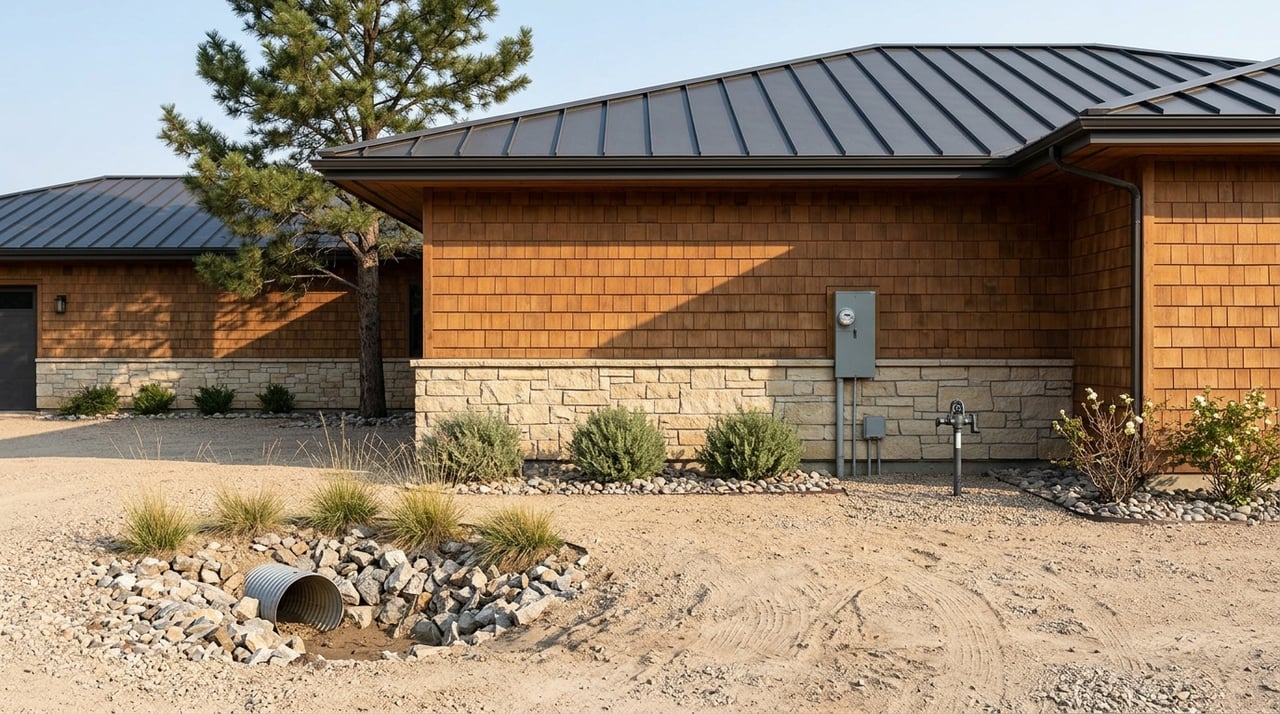
What Acreage Living Near Roundup Really Involves
May 28, 2026
May 28, 2026
If you picture life on acreage near Roundup as wide-open views and room to breathe, you are not wrong. But the day-to-day reality includes road conditions, water planning, septic upkeep, and land management that can shape your budget and your routine. If you are thinking about buying or selling rural property in this part of Montana, it helps to know what ownership actually looks like before you make a move. Let’s dive in.
Roundup sits in central Montana, about 50 miles north of Billings, in a semi-arid area that gets about 12.3 inches of precipitation each year. That matters because rural ownership here is shaped by more than square footage and scenery. Water, weather, and access all play a big role in how a property functions.
If you are coming from town or looking at acreage for the first time, the biggest adjustment is often realizing that more land usually means more responsibility. In-town services can handle many basics for you. On acreage, the property often has to stand on its own.
Acreage buyers often focus on distance, but drive time is only part of the story. Musselshell County says snow removal generally starts after about 4 to 6 inches of light snow or 3 to 5 inches of heavy wet snow, with school bus routes handled first and other county roads later.
That means a short trip can still take extra planning in winter. If you rely on a county road, the route to your property may affect your daily schedule, delivery timing, and how easily you can come and go during a storm.
If a parcel connects to a Montana state highway, the entrance is not always just a simple driveway. State law says a highway right-of-way encroachment, including a driveway approach, fence, sign, structure, or mailbox, generally may not be built or maintained without a permit.
For buyers, this is an important due-diligence point. You want to confirm how legal access works now and whether any entrance improvements may require permits or review.
In Musselshell County, subdivision planning routes certificate-of-survey review through the county examining land surveyor and county sanitarian. That tells you something important about rural property in this area. Access, platting, and sanitation issues are often tied together rather than handled as separate boxes to check.
If you are evaluating land, it helps to think about the parcel as a system. The survey, the route in, and the site conditions for utilities may all affect what is practical.
Inside Roundup, the city operates a water and sewer department, meters water monthly, and maintains sewer main lines and storm drains. Rural parcels outside town usually do not have that setup. That creates a very different ownership experience.
On acreage, you may be relying on private systems for water and wastewater, along with rural power service. That can be a great fit for buyers who want independence, but it also means more planning and maintenance.
Yellowstone Valley Electric Cooperative supplies electricity to member-owners in Musselshell County. For many acreage properties, power may come from a rural cooperative rather than a city utility.
That is not automatically a problem, but it is one more item to understand during your property review. Service availability, connection details, and ongoing utility expectations can affect how the property fits your goals.
Montana DEQ says private wells are not regulated the same way as public drinking-water systems. DEQ recommends an annual checkup that includes inspecting the wellhead and pressure tank, along with testing for at least coliform bacteria and nitrate.
That is a helpful reminder that owning a well is not passive. You will want to understand the well’s condition, maintenance needs, and records. DEQ also notes that a well log is an official drilling record, not a water right, so those two items should not be treated as the same thing.
DNRC says some groundwater developments of 35 gallons per minute or less and not more than 10 acre-feet per year may qualify for a permit exception. DNRC also says that beginning January 1, 2026, users must file a Notice of Intent before putting water from an exempt well to use.
For buyers looking at acreage near Roundup, this is a good example of why water should be reviewed carefully. A property can have a well and still require you to understand how its use fits current state rules.
A septic system is not a one-time purchase you forget about after closing. MSU Extension and Montana DEQ describe septic ownership as an ongoing maintenance responsibility. The tank and drainfield need to be protected from overload, and owners should know where the system is located.
Extension also recommends avoiding driving over the system and pumping the tank about every three to five years. That means septic should be part of both your budget and your long-term property care plan.
In Musselshell County, the Central Montana Health District septic application can require a certificate of survey, a 10-foot test pit, a percolation test, and a nitrate sample from an existing or nearby well. The form also asks whether the parcel is in a 100-year floodplain and whether the drainfield is at least 100 feet from surface water.
Another detail matters too. The permit becomes invalid if the system is not installed within 12 months of issue. For buyers considering vacant land or replacement work, that timeline can affect planning.
The practical takeaway is simple. Near Roundup, septic is not just a checkbox. It is a design issue, a budgeting issue, and a maintenance issue all at once.
If you are comparing acreage properties, one parcel may have a very different septic path than another. That can shape both upfront cost and how easy the property is to use over time.
Montana fence law says adjoining owners are mutually bound to maintain boundaries and fences in many situations, and the law provides a notice-based process if a partition fence is not repaired. For buyers, the key point is not to rely on assumptions about a fence line.
A fence in the field does not automatically answer every boundary question. It is smart to compare fence locations with the survey and the recorded legal description when you are evaluating acreage.
Musselshell County’s Weed District offers weed identification, herbicide-use classes, and integrated management help. The county also notes that weeds can spread through feed, hay, seed, vehicles, livestock, wildlife, wind, water, and people.
That means noxious weed control is part of regular land stewardship. On acreage, this is usually not a one-time cleanup project. It is an ongoing chore that affects how the land looks, functions, and is maintained.
Musselshell County Disaster and Emergency Services says major events can cut off gas, water, electricity, and communications. The county advises residents to be self-sufficient for at least 72 hours.
That is a practical standard for acreage owners, especially in more remote locations. If you are drawn to rural living for the privacy and space, it is wise to pair that independence with solid preparedness.
For many buyers, acreage near Roundup offers room for livestock, equipment, hobbies, privacy, and outdoor recreation. That appeal is real. The landscape and setting can support a range of rural lifestyle goals.
Montana Fish, Wildlife & Parks also notes that its Public Access Land Agreements program is designed to open or improve access to isolated public land for hunting or fishing. In some cases, participating landowners may receive compensation and liability protection if they do not charge access fees.
FWP says private land must be properly posted if owners want to prevent trespass, using either written notice or fluorescent orange paint. For buyers looking at acreage near public land or recreation areas, this is an important reminder.
You should verify legal access, easements, and posting rather than assume a route or use right exists. Recreation value can absolutely be part of the appeal, but access still needs to be mapped and confirmed.
The easiest way to think about an acreage property is this: treat it like a small operating system. The views and open space matter, but so do roads, water, septic, fence lines, weeds, and legal access.
If you are buying, that mindset helps you ask better questions before you close. If you are selling, it helps you prepare information that gives buyers more confidence in the property.
A practical review list may include:
That kind of preparation does not take the romance out of acreage living. It actually helps you enjoy it more, because you go in with a clear picture of how the property works.
If you are weighing acreage near Roundup, having a local guide who understands both the appeal and the practical details can save you time and help you make a more confident decision. To talk through your options, connect with Carey Chapman.
Stay up to date on the latest real estate trends.
Trust her to guide you through Billings real estate with care, insight, and reliable service. With local knowledge and a client-first approach, she ensures your journey is smooth, confident, and rewarding.