Step-by-Step Guide to Selling Acreage Near Shepherd
May 7, 2026
May 7, 2026
Selling a home on acreage near Shepherd is not the same as selling a house on a standard lot. When land, access, wells, septic systems, outbuildings, and rural records are part of the picture, buyers tend to ask deeper questions and expect clear answers. If you want fewer surprises and a smoother sale, it helps to prepare in the right order before your property hits the market. Let’s dive in.
Rural properties around Shepherd often come with details that do not show up in a typical in-town sale. Yellowstone County notes that outside Billings city limits, it does not issue building permits or certificates of occupancy for structures, so you cannot rely on a city-style checklist to fill in the blanks.
That makes early property review especially important. Before listing, you will want to verify parcel-specific items like zoning, road access, floodplain exposure, utility districts, and the status of older improvements.
Zoning can also vary from parcel to parcel in rural Yellowstone County. The county’s zoning legend includes rural residential districts such as RR1 and RR3, which means nearby properties may be subject to different land-use rules even if they seem similar at first glance.
Fire protection is another practical consideration on acreage. Yellowstone County separates structural fire protection from wildland fire protection in rural areas, which can matter when your property sits in a more exposed setting.
When you sell acreage, cleanup is about more than appearance. Yellowstone County’s weed department notes that noxious weeds can make land unfit for agriculture, forestry, livestock, wildlife, or other beneficial uses, so weed control is one of the most useful pre-listing steps you can take.
For many sellers, this means walking fence lines, clearing overgrowth, removing debris, and improving the overall look of the property boundaries. Buyers notice whether the land appears maintained, and that first impression often shapes how they view the rest of the property.
If you are planning to burn brush or vegetation, do not assume you can do it on short notice. Yellowstone County requires burn permits, daily activation when burning is anticipated, daylight-only burning, proper fire suppression resources, and compliance with rules that allow only natural vegetation to be burned.
The county also ties burn activity to state air-quality restrictions on materials such as shingles, garbage, plastic, and manure. If brush cleanup is part of your prep plan, build in extra time so permits, weather, and safety requirements do not delay your listing.
On rural acreage, wildfire readiness is both a practical and visual issue. Yellowstone County’s community wildfire planning emphasizes defensible space and reducing the chance of firebrands reaching structures.
That makes pre-listing work around the home especially valuable. Trimming brush, clearing debris near buildings, and tidying the immediate home zone can improve how the property shows while also addressing a concern many rural buyers already have.
This kind of work does not need to turn your land into a blank slate. The goal is to present a property that looks cared for, accessible, and easier for a buyer to understand.
Access is one of the biggest due-diligence topics for homes on acreage near Shepherd. Yellowstone County states that any private or public access connecting to a county or dedicated road requires a permit, and county review includes proper sight distance.
If your property has a long driveway, a newer approach, or recent road work, it is smart to review that early. County requirements can also involve pre-construction walkthroughs, interim inspections when needed, and a post-construction walkthrough for utility work.
From a selling standpoint, access issues are best handled before buyers begin asking questions. The more clearly you can explain how the property is reached and whether any recent work was completed appropriately, the more confidence you create.
Flood exposure deserves attention before you list, especially on land near waterways, ditches, or low-lying areas. Yellowstone County says floodplain regulations apply to all lands within its jurisdiction, and a floodplain permit may be required depending on the parcel.
Even when a property is usable and attractive, drainage and spring runoff can affect buyer comfort. If your land has standing water at times, known drainage trouble spots, or features that raise floodplain questions, it is better to sort through that information early.
Buyers tend to react better when you are prepared than when they uncover an issue mid-transaction. A clear picture of floodplain status and drainage conditions can help keep negotiations on track.
Private wells and septic systems are central to most rural sales. Montana DEQ says it does not oversee or regulate water quality from private wells, and it recommends an annual well check-up that includes the wellhead and pressure tank.
DEQ’s homeowner septic guidance says septic systems need regular maintenance and are generally pumped every 3 to 5 years, depending on use and system size. If you have service records, inspection notes, pumping receipts, or repair documentation, gather them before the home goes live.
This matters because buyers usually look much more closely at well and septic history on acreage than they do at utility systems on a city lot. A seller who can provide organized information often reduces uncertainty right away.
A failing septic system can lower property value and create legal liability, according to DEQ guidance. Even if you do not believe there is a problem, it helps to know the recent maintenance history and be ready to answer basic questions.
Shops, barns, corrals, fencing, detached garages, and additions can add real value to an acreage property. They can also create questions if their condition is unclear or if work was done without required permitting.
Montana’s seller disclosure law calls for disclosure, based on the seller’s actual knowledge, of issues involving title, water service, wastewater treatment, utility connections, wells, septic systems, and substantial additions or alterations made without a building permit. That makes it wise to review the property carefully before listing.
Look at each improvement the way a buyer will. Is it in solid working condition, obviously in need of repair, or likely to raise follow-up questions about when it was built or changed?
In Montana, the seller disclosure statement must be provided before or at contract execution. It covers adverse material facts the seller actually knows about the property.
The disclosure list includes title issues, water source or service, wastewater systems, utility connections, structural issues, unpermitted additions, hazardous materials or pest infestations, and problems with soil, standing water, or drainage. The law also states that the disclosure is not a warranty and is not a substitute for buyer inspections.
For acreage sellers, this is where preparation pays off. If you already gathered records on access, water, septic, drainage, and improvements, completing the disclosure process is usually much more straightforward.
Water rights can be a separate and very important issue on rural property. The Montana DNRC says that when the entire ownership of a water right changes, an ownership update form is used, and it explains that a recorded water right is required for the majority of water uses to be valid, legal, and defensible.
If your property includes irrigation or other recorded water rights, those rights should be addressed clearly in the sale. Buyers will want to understand what is included, and closing documents should match that understanding.
It is also smart to review your current tax bill before listing. The Montana Department of Revenue notes that property tax bills may include special assessments and fees, such as those tied to rural improvement districts.
The department also explains that agricultural land values are based on productivity value rather than market value. For acreage owners, that makes it worth checking the current land classification so there are no surprises during buyer due diligence.
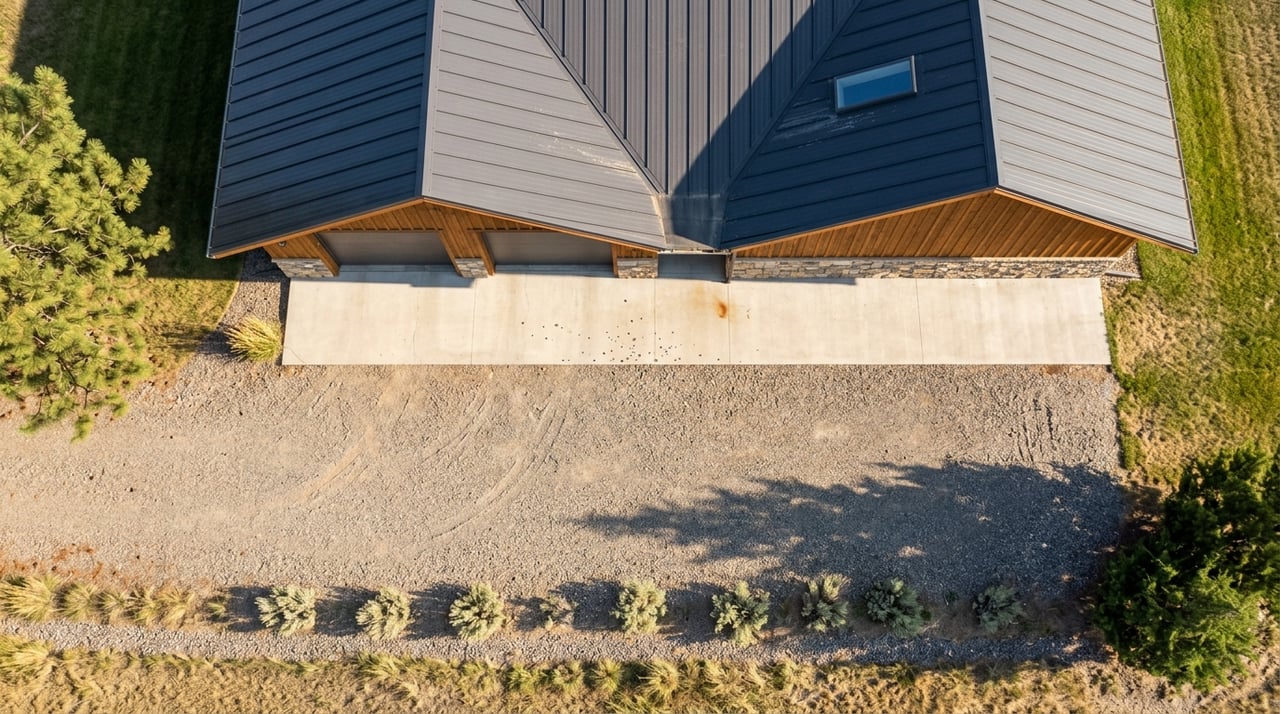
Aerial marketing can be especially helpful when you are selling acreage near Shepherd. Drone photography can show the home site, driveway, outbuildings, fences, drainage patterns, and how the house sits on the land.
That said, commercial drone photography is regulated. The FAA requires Part 107 compliance, including a remote pilot certificate, registration, and operating within applicable rules.
If the property is in controlled airspace, added FAA authorization may be needed. The FAA says many pilots can use LAANC for airspace authorization, while some requests should be submitted at least 60 days in advance.
That is why photography should come after the property is cleaned up and key site questions are reviewed, but not be left until the last minute. On acreage listings, timing matters because visual marketing works best when the land is presentable and the major facts are already in order.
For many acreage sellers near Shepherd, the most practical sequence looks like this:
This order helps reduce common surprises during negotiation. It also gives you a better chance of launching with confidence instead of scrambling after a buyer starts asking questions.
Selling rural property takes steady follow-through, clear communication, and local knowledge of how acreage transactions actually work. If you are getting ready to sell near Shepherd, Carey Chapman can help you prepare the property, organize the details, and bring it to market with a practical plan.
Stay up to date on the latest real estate trends.

Trust her to guide you through Billings real estate with care, insight, and reliable service. With local knowledge and a client-first approach, she ensures your journey is smooth, confident, and rewarding.